Cute Cat Hat Free Crochet Pattern for Beginner Makers
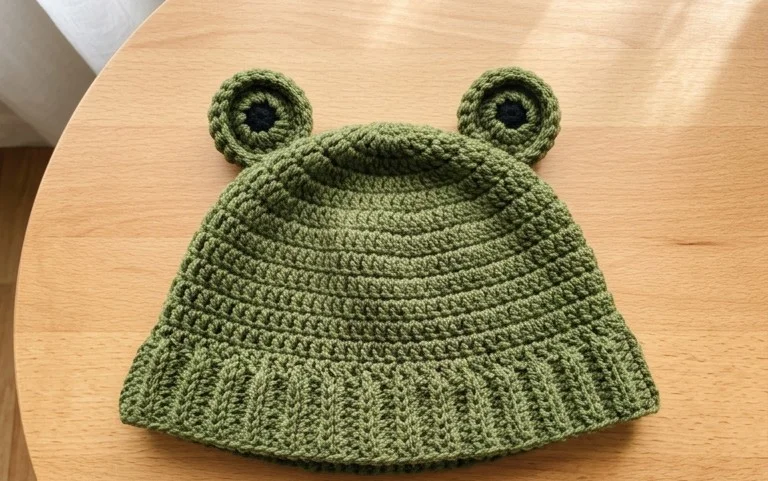
Soft yarn and two pointed ears give this cat hat its playful shape, while the snug brim helps it sit comfortably on a chilly day. The crochet fabric feels warm and flexible, and the little ear points add character without needing complicated colorwork. Beginners can practice keeping their stitches even and shaping the crown, while gift makers can choose a recipient’s favorite shade. It also makes a cheerful handmade accent for home decor lovers to hang by the door or display on a hat stand between wears. The pattern uses straightforward crochet stitches, with simple shaping to create the cat-like silhouette. As you work, you’ll learn how the hat body comes together and how small details at the top change its outline. It’s a satisfying project to finish, personalize, and give to a cat fan.
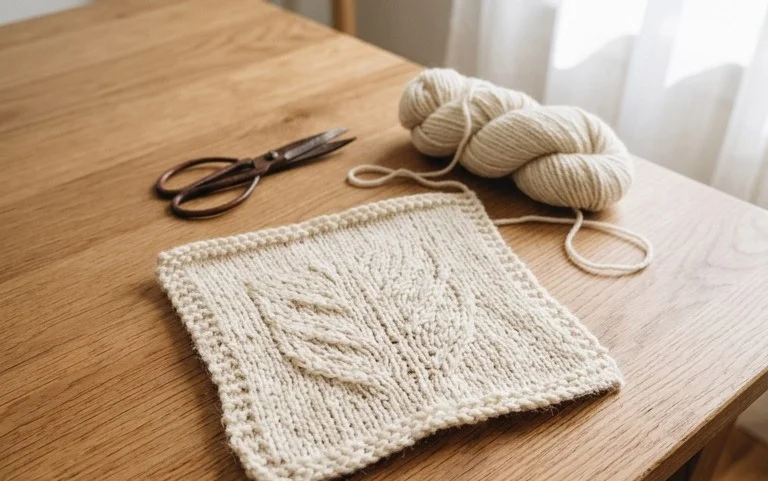
Worsted cotton makes a firm, absorbent dishcloth with a slightly ridged surface from simple single crochet rows. This beginner-friendly version is worked flat, uses one main stitch, and finishes at about 8.5 by 8 inches after washing.
Why You’ll Love This Pattern
The cloth uses a steady row repeat, so it is a useful first project for practicing even tension and counting stitches. Its small size makes it manageable to finish in an evening, and one skein of cotton can make several cloths. The fabric is thick enough for wiping counters and dishes, while the plain shape is easy to fold and store.
The rows were easy to follow, and the finished cloth feels sturdy without being too stiff. I made it in an evening and have already used it at the sink.
— Mara, sample maker
Pattern Overview & Skill Level
- Skill Level: Beginner. You need to chain and make single crochet stitches.
- Approximate Time: About 2–3 hours, depending on your pace and how often you pause to count.
- Construction: Worked flat in rows from the bottom edge upward, then fastened off and woven in. There is no seam or separate border.
- Finished Dimensions & Sizing: About 8.5 inches wide by 8 inches tall after washing, using the gauge below. Cotton can relax slightly when wet, so measure the swatch after washing for the closest estimate.
Gauge: 14 sc and 16 rows measure 4 inches in single crochet, measured after washing and drying flat. Exact gauge is not essential for a dishcloth, but it affects the finished size and yarn use.
Materials & Supplies Needed
- Yarn: About 70–85 yards of worsted-weight cotton yarn, weight #4. Use 100% cotton for absorbency and heat resistance. One solid color is enough; a small amount of a second color can be used for a contrasting cloth, but this pattern does not include color changes.
- Hook: 5.0 mm / H-8 crochet hook. Change hook size if needed to meet gauge; a smaller hook makes denser fabric, while a larger hook makes looser fabric.
- Notions: Tapestry needle for the yarn tail, scissors, measuring tape, and a stitch marker if you want to mark the first or last stitch of each row.
- Substitutions: Cotton-linen yarn can make a slightly drapier cloth, while cotton-bamboo blends may feel softer and less firm. Use a similar worsted thickness and check the yarn label for care instructions. Acrylic is less absorbent and is not the best choice for a cloth used near hot cookware. Different fibers or yarn weights can change the dimensions and amount of yarn needed.
Stitch Guide & Abbreviations (US Terms)
- ch = chain.
- sc = single crochet: insert the hook into the indicated stitch, yarn over and pull up a loop, yarn over and pull through both loops on the hook.
- st = stitch; sts = stitches.
- rep = repeat.
- turn = rotate the work to begin the next row.
- Fasten off = cut the yarn, leaving a tail, and pull the tail through the loop on the hook to secure it.
The turning chain does not count as a stitch in this pattern. Make the first sc of each new row in the first stitch, directly below the turning chain. This keeps the side edges straight.
Step-by-Step Pattern Instructions
Dishcloth
- Foundation: Make a slip knot and ch 31. Keep the chain relaxed so the lower edge does not pull in.
- Row 1: Sc in the second ch from the hook and in each ch across. Turn. (30 sts)
- Row 2: Ch 1, sc in each st across, including the final stitch at the row edge. Turn. (30 sts)
- Rows 3–32: Rep Row 2 thirty times, keeping 30 sc in every row. After Row 32, do not turn. (30 sts each row; 32 rows total)
Finishing
Fasten off, leaving a tail about 6 inches long. Thread the tail onto a tapestry needle and weave it through several stitches along the side edge. Change direction once before trimming the excess, which helps keep the end secure through washing. Weave in the foundation tail in the same way. Lay the cloth flat and check that both sides are even. If the fabric curls, wash and dry it flat before deciding whether it needs gentle reshaping.
Care & Washing Instructions
- For cotton yarn, machine wash with like colors in cool or warm water, up to 40°C / 104°F, unless the yarn label gives different directions.
- Dry flat or tumble dry on low if the yarn label permits; avoid high heat, which can shrink or roughen cotton.
- While damp, smooth the cloth into a square and gently reshape the edges; blocking is usually unnecessary for a dishcloth.
Pro Tips & Common Mistakes to Avoid
- Keep your chain and row stitches at a similar tension. A tight foundation chain can make the bottom narrower than the rest of the cloth; use a slightly larger hook just for the chain if needed.
- Count the 30 stitches at the end of each row. A stitch marker in the first stitch can help you spot the edge stitch, which is easy to miss beside the turning chain.
- Weave the yarn tails through the side stitches in more than one direction instead of tying a bulky knot. A knot can make a hard bump that catches during use.
- To make a wider or taller cloth, add chains in the foundation and work more rows. Each extra foundation chain adds about 1/14 inch of width at the stated gauge, and extra rows use more yarn; check the yarn amount before increasing both dimensions.
Frequently Asked Questions
Can I use a different yarn fiber?
Yes. Cotton is the most absorbent choice for everyday dishcloth use. Cotton-linen or cotton-bamboo blends can work, but they may drape or dry differently. Check the care label and make a small swatch if you want to confirm the fabric feel.
How can I make the dishcloth larger or smaller?
For a wider cloth, change the foundation chain while keeping an odd number of chains so Row 1 still begins in the second chain and gives an even number of stitches. For a taller cloth, work more or fewer rows. The finished measurements and yarn use will change with each adjustment.
Is this pattern suitable for a first crochet project?
Yes. It uses chains and single crochet worked in rows, with no shaping or sewing. Practicing the first and last stitch of each row helps keep the edges straight.
May I sell dishcloths made from this pattern?
Check the designer’s terms before selling finished items, and follow any limits on pattern credit or commercial use. If you share a photo or listing, credit the pattern source when its terms request it.
Your finished cat hat has a warm, handmade feel and a pair of ears that make its shape easy to recognize. For a simple variation, work the hat in charcoal, cream, or another color that suits the person who will wear it. You could also use a contrasting shade for the ears if you have a small amount of yarn left, taking care to keep the fabric thickness even. Once you’ve tried it on and checked that the brim feels comfortable, share a photo on Pinterest or your favorite social media page; seeing different color choices is always fun. If you enjoyed this project, explore the other free crochet patterns on the blog for more useful gifts and cozy makes.