Easy Crochet Baby Hoodie Gift: Free Pattern Tutorial
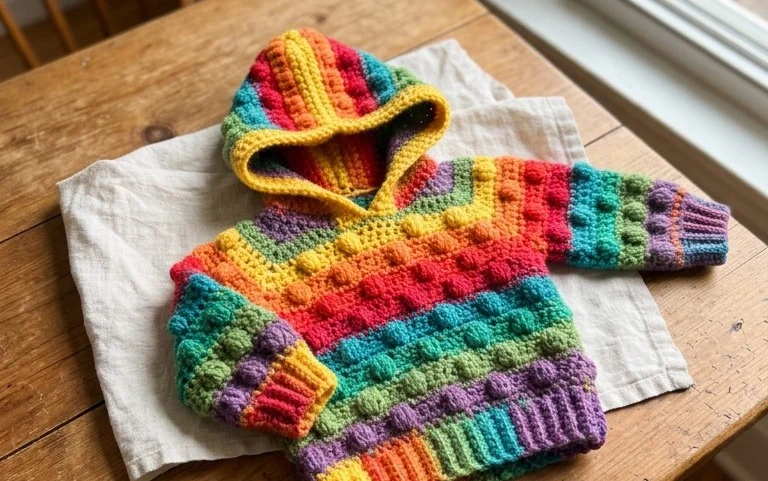
Soft yarn and a little hood turn this baby-sized crochet project into a keepsake with a practical purpose. The finished hoodie has a cozy, textured feel and gives a little one an extra layer for cool walks or quiet time at home. It makes a thoughtful handmade gift for a new baby, and patient beginners can enjoy learning how simple stitches build into a wearable shape. Even makers who usually crochet blankets or home accents get a satisfying change of pace here. In this guide, you’ll find helpful notes on choosing yarn, keeping your stitches even, and working the body, sleeves, and hood into a neat finish. The result is personal, useful, and lovely to wrap for a baby shower or first birthday.
Why You’ll Love This Pattern
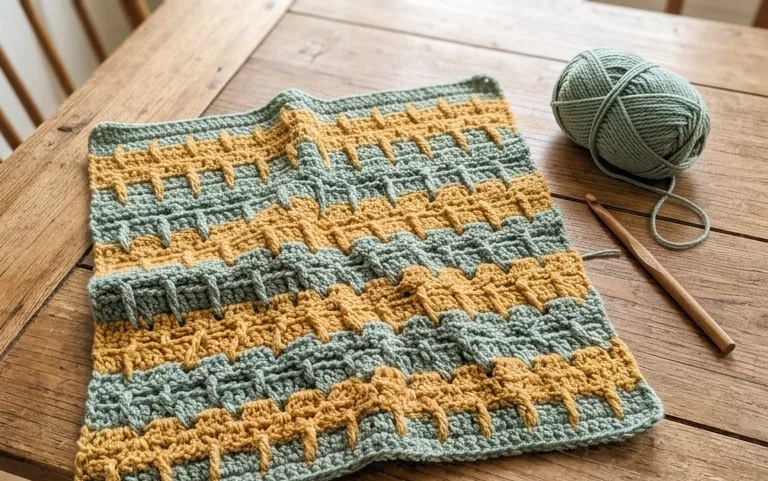
A square of worsted-weight cotton makes a useful dishcloth with a firm, absorbent texture and no complicated shaping. This beginner pattern uses single crochet in straight rows, so you can focus on even tension and counting without keeping track of increases or decreases. One ball of cotton is enough for most cloths, and the finished piece is easy to wash and reuse.
The project details supplied with your request did not include a specific item or source pattern. This guide uses a basic crochet dishcloth as a practical example; its materials, dimensions, and instructions are for that project.
I made this in an evening, and the straight rows were easy to follow. The cotton gives it a nice, sturdy feel after washing.
— Mara, beginner crocheter
Pattern Overview & Skill Level
- Skill Level: Beginner. You need to know how to chain and single crochet.
- Approximate Time: 2–3 hours, depending on your pace and how often you stop to check your stitch count.
- Construction: Work a flat rectangle in rows of single crochet, then weave in the yarn ends. There is no seaming or edging.
- Finished Dimensions & Sizing: Approximately 8 × 8 in (20 × 20 cm) when blocked, using the gauge and materials below.
Materials & Supplies Needed
- Yarn: About 100 yd (91 m) of worsted-weight cotton yarn, category #4, in one color. Choose 100% cotton for absorbency and better tolerance of frequent washing.
- Hook Size: 5.0 mm / H-8 crochet hook. If your stitches are loose, try a 4.5 mm / 7 hook; if they are tight, try a 5.5 mm / I-9 hook. Changing hook size may change the finished dimensions.
- Notions: Tapestry needle for weaving in ends, scissors, and a ruler or tape measure. A stitch marker is optional for marking the first stitch at the edge of a row.
- Safe substitutions: A smooth cotton or cotton-linen yarn in a similar worsted weight is suitable. Check the label for washing instructions. A thinner yarn makes a smaller, lighter cloth; a thicker yarn makes a larger, bulkier one and may need a larger hook. Acrylic can be used, but it is less absorbent than cotton and may not suit hot-pan use.
Gauge: 14 single crochet stitches and 16 rows measure 4 in (10 cm). Make a small swatch if you want the stated size; adjust your hook to match gauge before starting the cloth.
Stitch Guide & Abbreviations (US Terms)
- ch: Chain.
- sc: Single crochet. Insert the hook in the indicated stitch, yarn over and pull up a loop, yarn over and pull through both loops.
- st / sts: Stitch / stitches.
- turn: Rotate the work to begin the next row.
The turning chain does not count as a stitch in this pattern. Work the first single crochet of each row into the first stitch, directly beside the turning chain.
Step-by-Step Pattern Instructions
Dishcloth
- Foundation: Ch 29. The first chain row is the foundation, not a worked row.
- Row 1: Sc in the second ch from the hook and in each ch across. Turn. (28 sts)
- Row 2: Ch 1, sc in each st across. Turn. (28 sts)
- Rows 3–32: Repeat Row 2 for each row, turning after every row. Each row has (28 sts).
- Finish: After Row 32, fasten off, leaving a 6 in (15 cm) tail. Pull the tail through the final loop. Thread it onto a tapestry needle and weave it through several stitches on the wrong side; change direction once so the end is secure. Weave in the foundation tail the same way. Trim the remaining yarn close without cutting into the fabric.
Check the width and height before fastening off. At the stated gauge, the cloth should measure close to 8 in (20 cm) on each side. A small difference is normal; if it is substantially wider or narrower, your tension or hook size may differ from the gauge.
Care & Washing Instructions
- Wash cotton in cool or warm water, following the yarn label; avoid hot water if the label warns that the color may fade or bleed.
- Reshape the damp cloth and dry it flat, or use a dryer only if the yarn label permits it.
- Block lightly while damp by smoothing the corners and edges into shape; do not stretch the stitches hard.
Pro Tips & Common Mistakes to Avoid
- Keep your tension steady, especially on the foundation chain. If that edge feels much tighter than the rows, make the chains a little looser or use a larger hook just for the chain.
- Count all 28 stitches at the end of each row. Put a marker in the first or last stitch if you tend to miss the edge stitch when turning.
- Weave in each end on the wrong side, passing the needle through the backs of several stitches and changing direction before trimming. A short end that is simply knotted can work loose in the wash.
- For a larger cloth, add chains in multiples of one for the starting width and work extra rows for the height. Each added stitch or row uses more yarn, so keep a spare amount available if you increase both dimensions.
Frequently Asked Questions
Can I use a different yarn fiber?
Yes. Cotton is the practical choice for an absorbent, washable dishcloth. A cotton-linen blend can also work. Acrylic is less absorbent, and a different fiber may need different washing care; follow its label.
How do I make the dishcloth smaller or larger?
For a narrower or wider cloth, change the foundation chain, then work one single crochet into every chain after the first. For a shorter or taller cloth, work fewer or more rows. The finished dimensions and yarn use change with both adjustments.
Is this pattern suitable for a first crochet project?
Yes, if you are comfortable making chains and single crochet stitches. The main challenge is keeping 28 stitches in every row, so count before turning until the edges look even.
May I sell dishcloths made from this pattern?
Check the designer’s terms before selling finished items, and follow any rules that apply to the pattern you are using. If you publish the pattern or photos, credit the original designer where required.
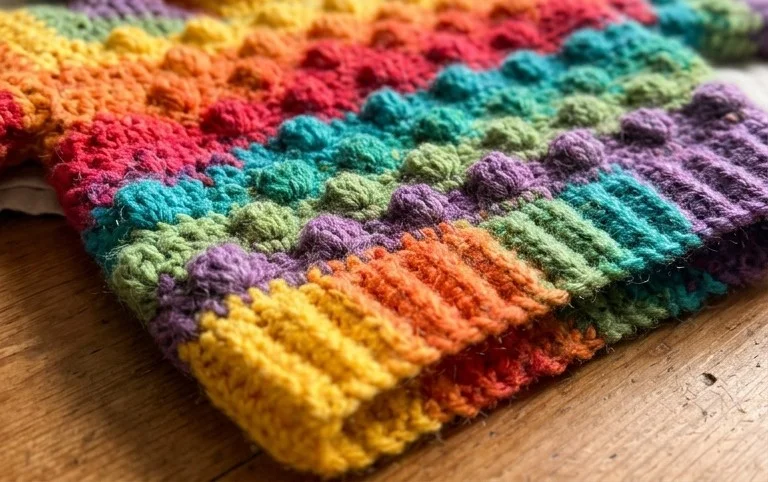
A finished baby hoodie is a special kind of handmade gift: soft, useful, and shaped with care from the first row to the last. For a simple variation, choose a different color of the same yarn to make the piece suit the baby’s wardrobe while keeping the pattern details unchanged. Before gifting it, check that the ends are woven in securely and follow the yarn label’s washing instructions so the fabric stays comfortable. If you make one, share a photo on Pinterest or your favorite social platform; it’s always nice to see the colors and finishing touches other makers choose. When you’re ready for another project, explore more free crochet patterns on the blog for fresh ideas to make and give.