Easy Crochet Coasters Free Pattern for Beginners
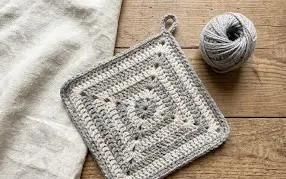
A stack of these cotton squares feels dense and reliable under a steaming ceramic mug. Creating household goods from scratch offers a grounding rhythm that balances out a busy day. This design suits anyone who enjoys making practical objects that stand up to daily spills and frequent washing. You will learn the basics of working in the round while maintaining consistent tension to ensure your finished work lays flat. Since this project requires minimal yarn, it represents a satisfying way to organize your craft room stash. Each completed coaster offers a sense of tactile accomplishment you can display immediately on your coffee table.
Why You’ll Love This Pattern
This beginner-friendly crochet coaster pattern provides an immediate sense of accomplishment because it uses basic stitches to create a functional household item. You can complete a single coaster in under thirty minutes, making it an ideal choice for using up small amounts of leftover cotton yarn. The texture of the finished square provides a sturdy base that protects surfaces from condensation and heat. Because the pattern relies on simple increases within a square construction, it is easy to memorize after just one or two rounds.
I finished a set of four coasters in one afternoon for a housewarming gift, and they were so satisfying to make that I ended up keeping two for myself.
— Sarah, hobbyist crocheter
Pattern Overview & Skill Level
- Skill Level: Beginner
- Approximate Time: 20-30 minutes per coaster
- Construction: Worked in joined rounds, starting from the center and expanding outward to form a square
- Finished Dimensions & Sizing: Approximately 4 inches by 4 inches
Materials & Supplies Needed
- Yarn: Worsted weight (#4) 100% cotton yarn, approximately 15-20 yards per coaster. Cotton is necessary for its absorbency and heat resistance.
- Hook Size: 5.0 mm (H-8) crochet hook.
- Notions: Yarn needle for weaving in ends and scissors.
- Yarn substitutions: You may use acrylic yarn, but note that it is not heat resistant and will not absorb moisture effectively. Using a lighter weight yarn will result in a smaller coaster unless you add extra rounds.
Stitch Guide & Abbreviations (US Terms)
- ch: chain
- st(s): stitch(es)
- sl st: slip stitch
- sc: single crochet
- dc: double crochet
- dc-inc: 2 dc in the same stitch to increase
- Corner: (dc, ch 2, dc) worked into the same chain space to create a square shape
Step-by-Step Pattern Instructions
Coaster Body
- Round 1: Start with a magic ring. Ch 3 (counts as first dc throughout), work 2 dc into the ring, ch 2, 3 dc, ch 2 into ring 3 times. Join with a sl st to the top of the beginning ch-3. (12 dc, 4 ch-2 spaces)
- Round 2: Sl st into the next dc and into the first ch-2 corner space. Ch 3, (dc, ch 2, 2 dc) in the same ch-2 space. Ch 1, skip 3 sts, (2 dc, ch 2, 2 dc) in the next ch-2 corner space. Repeat from * to * two more times. Ch 1, join with a sl st to the top of the beginning ch-3. (16 dc, 4 ch-1 spaces, 4 ch-2 spaces)
- Round 3: Sl st into the next dc and into the corner ch-2 space. Ch 3, (dc, ch 2, 2 dc) in the same corner. Dc in each dc and each ch-1 space across to the next corner, (2 dc, ch 2, 2 dc) in the corner. Repeat from * to * two more times. Dc in each dc and ch-1 space until the end of the round. Join with a sl st to the top of the beginning ch-3. (40 dc, 4 ch-2 spaces)
Finishing
Fasten off, leaving a 6-inch yarn tail. Use the yarn needle to weave the end securely into the back of the coaster stitches. Block the coasters by laying them flat on a towel, spraying lightly with water, and smoothing them into a perfect square until dry.
Care & Washing Instructions
- Machine wash on a gentle cycle in cool water to prevent the cotton from shrinking or losing shape.
- Lay flat on a clean towel to air dry, reshaping the square with your hands while it is damp.
- Do not bleach or iron, as high heat can damage the cotton fibers and affect the structure of the stitches.
Pro Tips & Common Mistakes to Avoid
- Maintain consistent tension throughout the rounds; if your stitches are too loose, the square will ripple rather than lay flat.
- Use a stitch marker at the beginning of every round to easily identify where to join with your slip stitch.
- When weaving in ends, run the needle through the center of the stitches rather than over them to ensure the tail remains invisible.
- To adjust the size, simply add more rounds using the same increase method in the corners; remember that larger coasters will require more yardage per piece.
Frequently Asked Questions
Can I use a different hook size for this pattern?
Yes, changing the hook size will alter the finished dimensions. A smaller hook will create a tighter, smaller square, while a larger hook will make a looser, airier coaster.
Is this pattern suitable for complete beginners?
This pattern is excellent for beginners because it only requires double crochet stitches and simple corner increases. It teaches the fundamental skill of working in the round to create a flat shape.
Can I sell the finished coasters?
You are welcome to sell physical items made from this pattern. However, you may not redistribute, copy, or sell the written instructions themselves.
Why is cotton yarn required for this project?
Cotton fiber is highly absorbent and withstands heat well. Acrylic yarns do not absorb liquid effectively and can melt if a hot mug is placed directly on them.
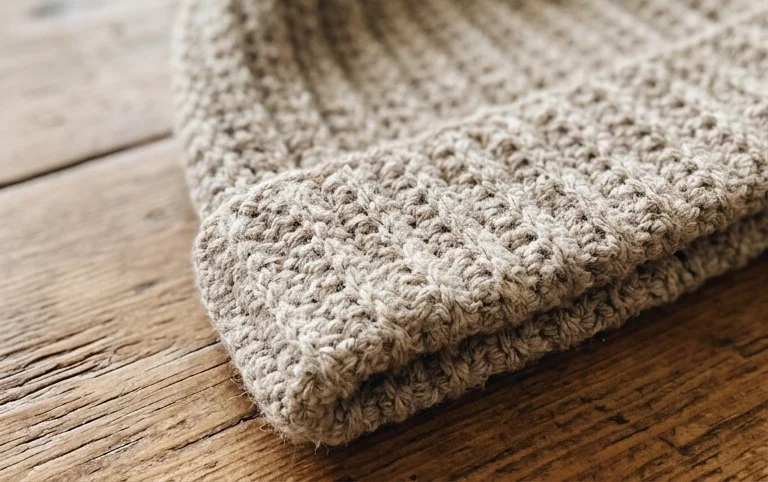
Your new coasters look fantastic protecting your wooden surfaces from condensation rings. You might consider using a variegated cotton yarn for your next batch to bring a splash of color to your kitchen or table setting. Sharing a photo of your finished work helps others see how different shades change the look of this simple design. If you enjoyed this project, you can find more free patterns on the main blog page to keep your hook moving on future afternoons.