Easy Andes Beanie: Free Beginner Crochet Pattern
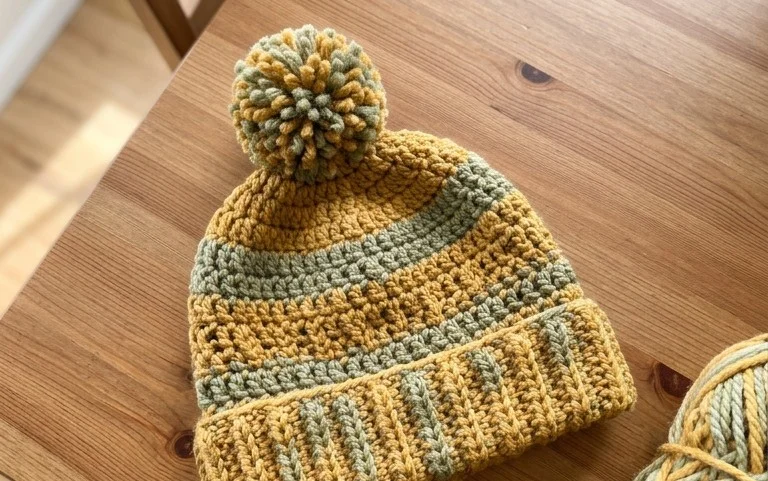
The Andes Beanie features a soft, squishy texture that keeps your ears warm during cold morning commutes or evening walks. This project relies on a simple combination of knit-like stitches, making it a reliable choice for beginners who want to build their confidence with yarn tension and stitch placement. You will find the rhythm of the work meditative once you establish the main pattern repeat. It works up quickly, so you can easily finish a hat for every family member this winter season. Get your hook ready and experience how rewarding it feels to create a handmade accessory from scratch.
Why You’ll Love This Pattern
This classic crochet dishcloth is designed to be the ultimate workhorse in your kitchen. It uses a dense, textured stitch pattern that provides excellent scrubbing power for pots and pans while remaining gentle enough for delicate glassware. Because it is worked in a sturdy cotton yarn, it is highly absorbent and holds up well to repeated cycles in the washing machine. This project is ideal for using up leftover cotton yarn from larger projects, as one standard skein can often yield two full-sized cloths. The rhythmic nature of the stitch makes it a perfect choice for relaxing in the evening while catching up on a show.
I finally found a pattern that is not too holey for scrubbing dishes and works up fast enough to make a whole set for my daughter in one weekend.
— Sarah, home crafter
Pattern Overview & Skill Level
- Skill Level: Beginner
- Approximate Time: 1 to 2 hours per cloth
- Construction: Worked in flat rows back and forth, starting with a foundation chain.
- Finished Dimensions: 8 inches by 8 inches square.
Materials & Supplies Needed
- Yarn: Worsted weight (#4) 100% cotton yarn, approximately 75 yards per cloth.
- Hook Size: 5.0 mm (US H-8).
- Notions: Tapestry needle for weaving in ends, sharp scissors.
- Yarn substitutions: You can use a cotton-acrylic blend, but ensure it contains at least 70% cotton to maintain the necessary absorbency for kitchen use. A 100% synthetic yarn will not absorb water effectively and is not recommended for this specific project.
Stitch Guide & Abbreviations (US Terms)
- ch: chain
- sc: single crochet
- dc: double crochet
- st/sts: stitch/stitches
- sk: skip
- yo: yarn over
- Moss Stitch: A combination of sc and ch-1 spaces, where the sc is worked into the ch-1 space of the previous row.
Step-by-Step Pattern Instructions
Main Dishcloth Body
- Foundation: Ch 32.
- Row 1: Sc in 4th ch from hook, ch 1, sk 1 ch, sc in next ch. Repeat from * to * until the end of the row. Turn your work. (15 sc, 14 ch-1 spaces).
- Row 2: Ch 2, sc in the first ch-1 space, ch 1, sk the sc, sc in the next ch-1 space. Repeat from * to * across, ending with a sc in the turning chain space. Turn your work. (15 sc, 14 ch-1 spaces).
- Rows 3–28: Repeat Row 2 until the piece measures approximately 8 inches in height.
- Final Row: Work across the top edge with slip stitches into every stitch and chain space to create a clean, reinforced border.
Finishing
Cut the yarn, leaving a 6-inch tail. Pull the tail through the final loop on your hook to secure the knot. Use a tapestry needle to weave the loose ends back and forth through the stitches on the wrong side of the fabric. Ensure the ends are tucked deeply enough so they do not unravel during scrubbing.
Care & Washing Instructions
- Machine wash on a warm setting (up to 104°F) with like colors to prevent dye bleeding.
- Tumble dry on low heat or lay the cloth flat on a clean towel to air dry to maintain its square shape.
- Avoid using fabric softener, as it leaves a waxy coating on the cotton fibers that significantly reduces the absorbency of the dishcloth.
Pro Tips & Common Mistakes to Avoid
- Tension control is vital for dishcloths. If your stitches are too loose, the cloth will stretch out of shape quickly; if they are too tight, the fabric will be stiff and difficult to use.
- Use a stitch marker at the beginning of each row to help you identify the turning chain space, as this is the most common place where beginners accidentally drop stitches.
- Weave your ends in multiple directions. Since these cloths undergo heavy friction, weaving in one direction can cause the ends to work their way out over time.
- Adjusting the size is simple. Add or subtract chains in multiples of 2 to change the width, and work more or fewer rows to change the length. Remember that a larger cloth will require more yardage.
Frequently Asked Questions
Can I use a different yarn weight for this pattern?
You can use DK or bulky yarn, but you will need to adjust your starting chain count to reach the 8-inch width and ensure you use the appropriate hook size suggested on the yarn label to maintain the correct fabric density.
How do I keep the edges straight?
The key is to pay close attention to the final stitch of every row. Always ensure you are working into the turning chain space rather than skipping it, as this is the most frequent cause of edges tapering inward.
Is this pattern suitable for complete beginners?
Yes, this is an excellent starter project. It uses only two basic stitches and requires no complex shaping, making it a great way to practice consistent tension and clean turning techniques.
Can I sell the dishcloths I make from this pattern?
You are welcome to sell finished items made from this pattern in small quantities. Please provide credit to the designer by linking back to this tutorial on your product tags or listings.
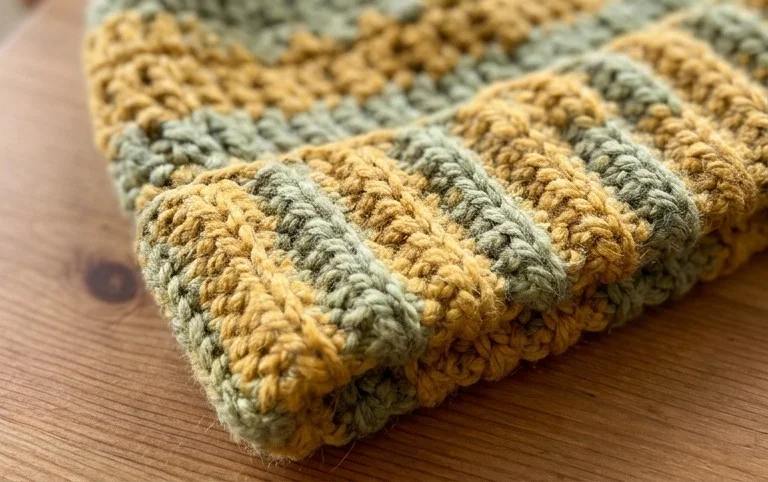
Finishing your new winter hat brings a sense of accomplishment that store-bought items simply cannot match. You might experiment with a variegated wool blend to create a unique color effect or add a large faux-fur pompom to the top for extra personality. Please share a photo of your finished creation on your favorite social media site to inspire other makers in the community. You can find more beginner-friendly headwear designs and free winter accessory patterns by browsing through the archives of our project blog whenever you have more yarn to spare.