Easy Outlander Inspired Crochet Patterns: Free Guide
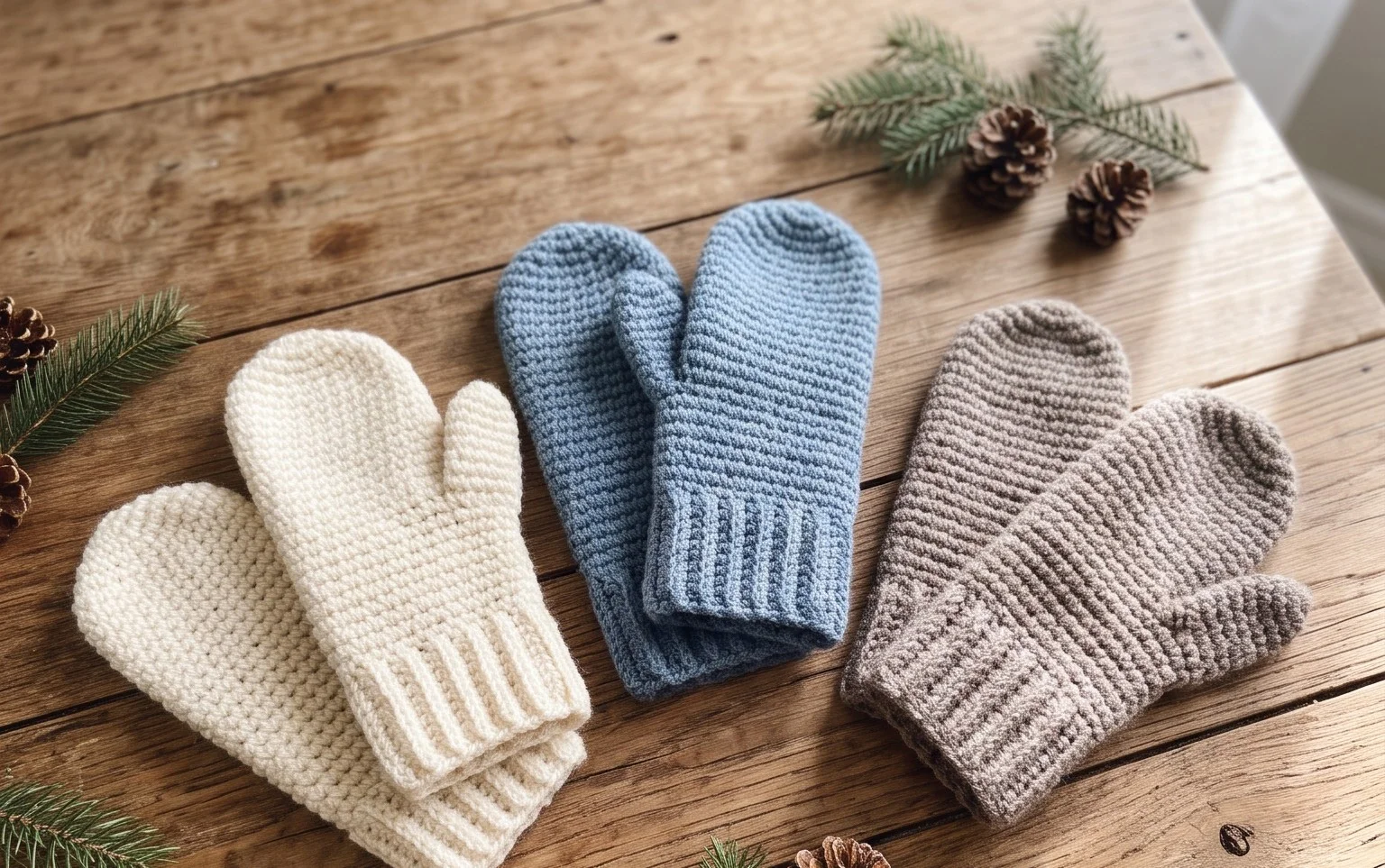
These textured designs capture the rugged, rustic charm of eighteenth-century Scottish highlands with deep earth tones and hearty stitches. You will enjoy working through these pieces because the heavy weight of the wool offers immediate feedback and a squishy, substantial fabric that holds its own shape well. Beginners find these projects rewarding because they rely on simple post stitches to create depth rather than complex lace work. You will learn to manipulate your hook to mimic thick, hand-spun cables that provide warmth against a drafty window while sitting with your morning tea or watching your favorite historical drama episodes.
Why You’ll Love This Pattern
This beginner-friendly crochet coaster pattern provides a practical way to protect your furniture while practicing fundamental stitch techniques. The design relies on a continuous spiral to eliminate visible seam lines, resulting in a clean, polished look. Because each coaster requires less than 20 yards of cotton yarn, it serves as an efficient project for using up small leftover balls from larger items. The circular construction is intuitive to learn, making it a reliable choice for quick gifts or adding a handmade touch to your home decor.
I managed to whip up a full set of six coasters in just one afternoon. The pattern is very easy to follow and the finished product lays perfectly flat on my coffee table without curling at the edges.
— Sarah, home crafter
Pattern Overview & Skill Level
- Skill Level: Beginner
- Approximate Time: 30 minutes per coaster
- Construction: Continuous rounds worked in a flat circle using basic increases
- Finished Dimensions: 4 inches in diameter
Materials & Supplies Needed
- Yarn: Worsted weight (#4) 100% cotton yarn, approximately 15-20 yards per coaster. Cotton is chosen for its absorbency and heat resistance.
- Hook Size: 4.5 mm / G-7 crochet hook.
- Notions: Tapestry needle for weaving in ends, locking stitch marker for tracking round starts.
- Safe yarn substitutions: Acrylic yarn may be used, though it is less absorbent and less heat-resistant than cotton. Wool yarn will provide a softer texture but may felt if washed in a machine.
Stitch Guide & Abbreviations (US Terms)
- MR: Magic ring
- ch: Chain
- sc: Single crochet
- inc: Increase (work 2 sc into the same stitch)
- sl st: Slip stitch
- st(s): Stitch(es)
Step-by-Step Pattern Instructions
Coaster Body
Work in a continuous spiral. Place your stitch marker in the first stitch of every round to keep track of your position.
- Rnd 1: Start with a MR and work 6 sc into the ring. Tighten the tail to close the center hole. (6 sts)
- Rnd 2: Work 2 sc in each st around. (12 sts)
- Rnd 3: 1 sc, inc repeat from * to * 6 times. (18 sts)
- Rnd 4: 1 sc in each of the next 2 sts, inc repeat from * to * 6 times. (24 sts)
- Rnd 5: 1 sc in each of the next 3 sts, inc repeat from * to * 6 times. (30 sts)
- Rnd 6: 1 sc in each of the next 4 sts, inc repeat from * to * 6 times. (36 sts)
- Rnd 7: 1 sc in each of the next 5 sts, inc repeat from * to * 6 times. (42 sts)
Finishing
Once you reach the end of Rnd 7, work one sl st into the next stitch to smooth out the transition. Cut your yarn, leaving a 6-inch tail. Pull the tail through the final loop and use your tapestry needle to weave the end securely into the back side of the coaster. Trim any excess yarn close to the fabric.
Care & Washing Instructions
- Machine wash on a gentle cycle using cool water.
- Lay the coasters flat on a towel to air dry, reshaping them with your hands while damp.
- Avoid using bleach, as it may break down the natural cotton fibers and cause color fading over time.
Pro Tips & Common Mistakes to Avoid
- Maintain consistent tension throughout each round to prevent the circle from cupping or ruffling. If the work starts to cup, your tension is too tight; if it ruffles, your tension is too loose.
- Always move your stitch marker to the very first stitch of the new round immediately after completing it, rather than waiting until the end of the round.
- Weave your yarn ends in multiple directions—horizontally and vertically—through the back loops of the stitches to ensure they do not pull out with repeated use.
- You can adjust the size of the coaster by adding or stopping after any round. Increasing the diameter by one extra round will require approximately 5 additional yards of yarn.
Frequently Asked Questions
Can I use a larger hook for this pattern?
Using a larger hook will result in a looser, more open fabric and a larger finished diameter. If you choose a larger hook, you may need more yarn to complete the same number of rounds.
Is this pattern suitable for someone who has never crocheted before?
Yes, this project is ideal for beginners. It requires knowledge of only the magic ring, single crochet, and basic increasing, all of which are fundamental skills.
Can I sell the coasters I make from this pattern?
You are welcome to sell finished items made from this pattern, provided you credit the source. Mass production or distributing the pattern itself is not permitted.
Why do my edges look wavy instead of flat?
Wavy edges, or ruffling, usually indicate that you are adding too many stitches in a round. Ensure you are following the increase sequence strictly and verify your stitch counts at the end of each round to maintain a flat surface.
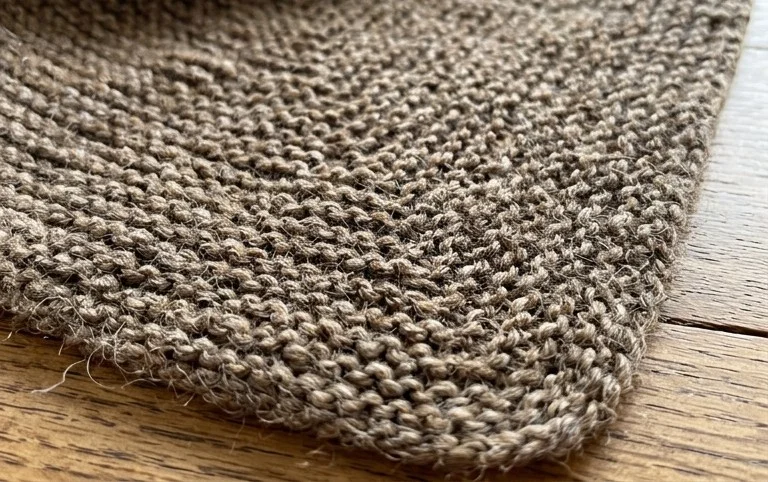
A rustic, handmade addition to your home brings a quiet sense of comfort to your reading nook or living room area. You can personalize your project by using a variegated heather yarn to achieve a more authentic, antique look or by sizing up the hook for a drape that feels more like a light shawl. Please share a photo of your finished work on social media so others can see your color choices. You can find more free projects inspired by classic literature and period television shows on the rest of the blog.