Christmas Quilt Crochet: Easy Free Pattern for Beginners
A firm 8-inch square of worsted cotton has the weight and texture of a useful kitchen cloth, with a simple shape that can suit a Christmas Quilt project. The fabric is sturdy in your hand and gets softer after washing, so it can move from the sink to a holiday gift basket without needing special care. Beginners can work the whole square in single crochet, concentrating on even tension and straight edges instead of managing a long list of stitches. Gift makers can finish one in an afternoon, while home decor fans can choose a seasonal shade or a color that fits their kitchen. The pattern uses US terms and explains how to keep 32 stitches across each row, plus what to check when shaping and finishing the square.
Why You’ll Love This Pattern
A firm square of worsted cotton makes a useful dishcloth for washing dishes, wiping counters, or keeping beside the sink. This beginner-friendly pattern uses single crochet throughout, so you can focus on keeping your edges straight rather than learning several stitches. The small size is easy to carry around, and the plain fabric works well with a solid color or leftover cotton yarn. It also makes a practical handmade gift when paired with a bar of soap or a few other kitchen basics.
The rows were simple to count, and the cotton made a sturdy cloth that feels good in my hand.
— Maya, beginner crocheter
Pattern Overview & Skill Level
- Skill Level: Beginner. You need to chain and make single crochet stitches.
- Approximate Time: About 2–3 hours, depending on your pace and how often you pause to count.
- Construction: Crochet a flat rectangle in rows, turning at the end of each row. The turning chain does not count as a stitch.
- Finished Dimensions & Sizing: Approximately 8 × 8 in (20 × 20 cm) after washing and drying flat. Individual tension affects the final size.
The pattern is written for US crochet terms. Check your stitch count at the end of each row; the sides should stay straight, with 32 stitches across.
Materials & Supplies Needed
- Yarn: About 80 yd (73 m) of worsted-weight cotton yarn, category #4, in one color. Cotton is absorbent and holds up well to frequent washing.
- Hook Size: 5.0 mm / H-8 crochet hook. Use the hook that gives you the gauge listed below.
- Notions: Tapestry needle for weaving in the ends, scissors, and a ruler or measuring tape. A stitch marker is optional for marking the first stitch of a row.
- Substitutions: Choose another 100% cotton yarn of similar thickness. A thinner yarn makes a smaller, lighter cloth; a thicker yarn or larger hook makes a larger, looser cloth and uses more yarn. Acrylic yarn is less absorbent and may not work as well for dishwashing.
Gauge: 16 single crochet stitches and 18 rows measure about 4 in (10 cm) square. Make a small swatch and adjust your hook if needed. A tighter gauge creates a smaller, firmer cloth; a looser gauge creates a larger, softer cloth.
Stitch Guide & Abbreviations (US Terms)
- ch: Chain. Yarn over and pull through the loop on the hook.
- sc: Single crochet. Insert the hook into the indicated stitch, yarn over and pull up a loop, then yarn over and pull through both loops.
- st / sts: Stitch / stitches.
- turn: Rotate the work to begin the next row. The turning chain in this pattern does not count as a stitch.
No special stitch is needed. Work each single crochet into the top of the stitch from the previous row, catching both loops for a sturdy, even fabric.
Step-by-Step Pattern Instructions
Dishcloth
Make a foundation chain that is loose enough to lie flat. If your chain is tight, use a hook one size larger for the chain, then switch back to the 5.0 mm / H-8 hook for the rows.
- Row 1: Ch 33. Sc in the second ch from the hook and in each ch across. The skipped chain does not count as a stitch. (32 sts)
- Row 2: Ch 1 and turn. Sc in each st across. (32 sts)
- Rows 3–32: Ch 1 and turn. Sc in each st across. Repeat Row 2 for every row in this range. Each row ends with (32 sts).
After Row 32, lay the cloth flat and check that it is close to square. Fasten off, leaving a tail of about 6 in (15 cm). Thread the tail onto a tapestry needle and weave it through several stitches on the wrong side. Change direction once so the end is less likely to work loose, then trim the remaining yarn. Weave in the starting tail in the same way.
Finishing
Wet the cloth with cool or lukewarm water, gently press out the excess, and smooth it into a square on a flat towel. Let it dry fully before using. There is no separate border, so keep the first and last stitches of every row neat to help the sides stay even.
Care & Washing Instructions
- Wash cotton in cool or warm water, up to 40°C (104°F), with similar colors; follow the yarn label if it gives a lower limit.
- Dry flat or tumble dry on low heat. High heat can shrink cotton or make it feel stiffer.
- While damp, smooth the cloth back into a square and let it dry flat; blocking is optional if the edges have curled.
Pro Tips & Common Mistakes to Avoid
- Keep your tension steady: Avoid pulling the foundation chain tight. A tight chain can draw in the bottom edge even when the rows above it are even.
- Count across each row: Check for 32 stitches before turning. Place a stitch marker in the first stitch if you tend to miss the last stitch at the edge.
- Hide the tails securely: Weave each end through the backs of several stitches, then change direction. Simply trimming an unwoven tail can make it unravel in the wash.
- Adjust the size with a plan: For a wider cloth, add chains to the foundation and make one fewer chain than the width you want in stitches. Add rows for extra length. A larger cloth uses more yarn, so have additional cotton ready.
Frequently Asked Questions
Can I use a different kind of yarn?
Yes. A similar-weight cotton yarn is the closest substitute for absorbency and texture. Linen or a cotton-linen blend can also work, though it may feel less soft at first. Acrylic is less absorbent, and a different yarn thickness can change the finished dimensions.
How can I make the dishcloth smaller or larger?
Change the foundation chain to adjust the width, keeping one fewer chain than the number of stitches you want. Work more or fewer rows to change the length. Recheck the gauge and expect a larger cloth to use more yarn and take longer to dry.
Is this pattern suitable for a first crochet project?
Yes. It uses only chains and single crochet stitches, with no shaping or joining. The main challenge is counting the 32 stitches on each row so the edges remain straight.
May I sell dishcloths made from this pattern?
Check the designer’s terms before selling finished items, and follow any requirements for pattern credit. If you share your work online, name the pattern source when its terms request it.
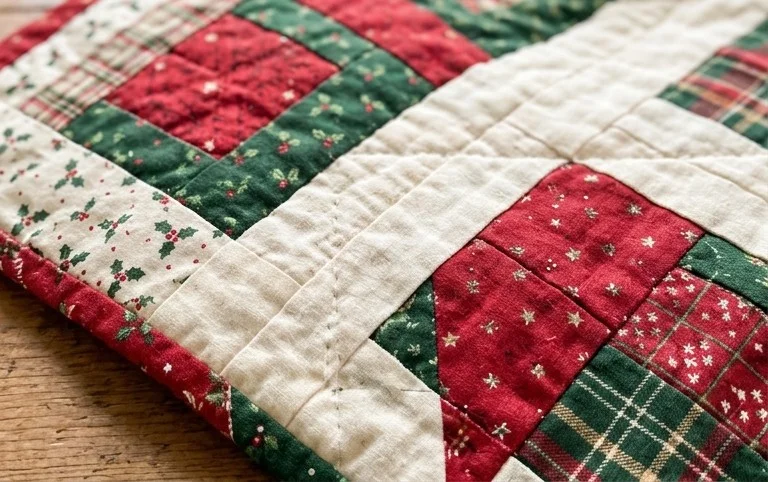
Finishing this neat cotton square gives you a practical handmade piece with a simple stitch pattern and tidy edges, ready to use or give away. For a seasonal variation, choose deep red or forest green cotton, or make the square a little larger by adding stitches and rows while keeping the same single crochet fabric. Wash it gently and dry it flat so it keeps its shape, then tie it with a bar of soap or a kitchen towel for a useful gift. Share a photo of your finished work on Pinterest or your favorite social media channel, and explore more free crochet patterns on the blog when you’re ready for your next project.